
Should you refinance your mortgage that’s today’s show let’s get into it hey everybody I’m I was gonna say I’m Clayton Morris but I’m not I’m Natali Morris and this is Clayton Morris you’re listening to the investing in real estate show with Clayton and Natalie Morris Clayton Morris is a little bit under the weather yeah I’m sick as a dog right so Kathleen Turner so you do not want to be me I know you thought you were going to be me by using my name but you do not want to be me right get me get me nowhere at this point today we want to talk about how to calculate whether or not you should refinance your mortgage now this applies to anyone who owns a home and has a primary home mortgage but also anyone who is an investor and has a mortgage and they want to rethink that mortgage on your rental property right as we’re speaking mortgage rates are going down so that gets people thinking ooh could.
 I get a better mortgage we just saw a Wall Street Journal cover story this morning about interest rates helping out the housing market at an eight-month low so now might be the time of strike if you want to go out there and get that refinancing but we want this video to be evergreen so you could be listening to it at a time when mortgage rates are increasing in which case we just want to make sure that you know how to do this calculation it’s pretty simple calculation but I think a lot of people sort of think in terms of just monthly payment like okay this loan can save me so much per month and so I want it which sounds like a great idea but you have to remember that when you’re refinancing your loan it’s the word the sort of part of it that’s rev1980 a lot of times your own bank could do it and most of the time they will want to but it’s just you have to think of it like okay let’s pretend Bank a gave me a mortgage at 5% but now rates are around three point five percent so Bank B is going to offer to pay off Bank a so you no longer have a relationship with bank.
A and now be your mortgage lender Bank B on a new product right a lot of times that’s great because they’re gonna look at what’s left on the loan from Bank a and say okay you have a hundred thousand dollars I’ll pay off Bank a $100,000 they’re out of your life they don’t exist right your new relationship is a hundred thousand dollar mortgage with Bank B right but what you want to look at is what’s your bottom line because most of the time you don’t own you don’t owe Bank a just a hundred thousand dollars you owe them one hundred thousand dollars and maybe some fees maybe an escrow account whatever right so they’re gonna look at that total payoff which is you owe them let’s say 102 right and then they’re gonna say now you now you work for us now your relationship.
I owe you well that’s why we live and that’s why we wrote our book how to pay off your mortgage in five years shameless plug link below but we’ve done this strategy a number of times with our home equity lines and using one financial product to say goodbye to the other financial right but we’re not talking about home equity line of credit at all today so take that and write put it away read the book but really we’re talking about Bank a and make B don’t don’t think I’ll go back to my cold cold medicine you take up your box of tissues let let the big boys duck okay so now you’re worried about bank fees let me ask you this question no please let me finish the point because I think if someone’s trying to follow this and you go on a tangent I’m gonna be okay but go ahead okay where was.
I the new product is with Bank B and now your one hundred thousand dollar loan is instead of five percent it’s at three point five percent that means your monthly payment is now lower but most likely you’ve got a brand-new mortgage that is now thirty years what if you were five years into your relationship with Bank a well now your mortgage is thirty five years right so we talked about in our book how your number you’re number two your two main enemies interest interest and ton interest in time so you’re now winning the interest game but you’re losing the time game you just added five years back to your loan now is it worth it maybe right because you do want to pay the lowest amount of money for money right question yeah so now my question is now you may ask a question when when Natalie is it worth it to refinance your home when is it worth it okay.
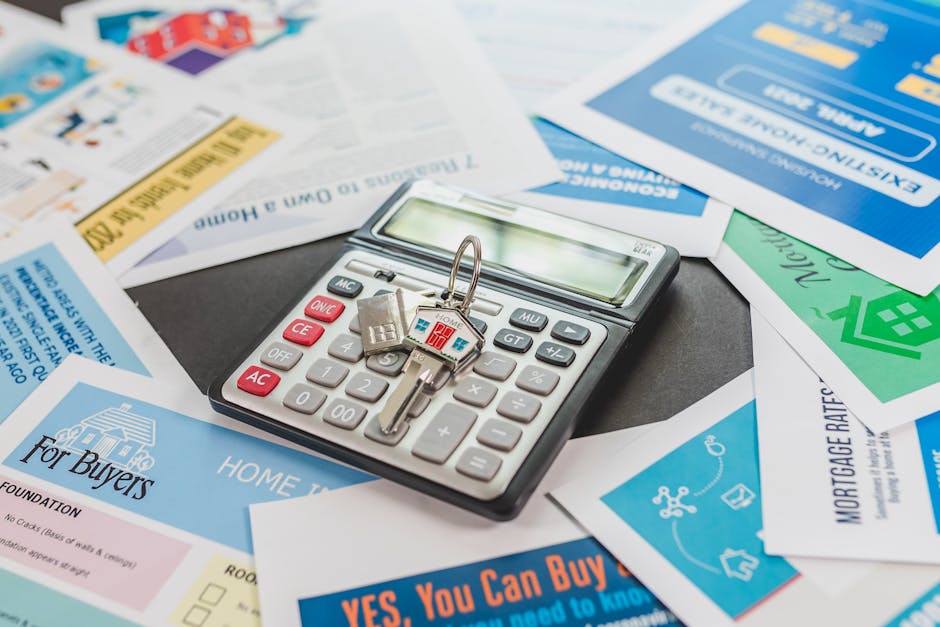 So a general rule of thumb is if you can save point seven-five of a percentage point or one between that and higher then it will work out right then it worth doing so between 0.75 and 1% of them per month in the APR then it’s worth it so let’s say you have a 4% interest rate and the bank is offering you three point two five percent do it right but here’s some caveats you want to make sure that you’re doing it in a home that you’re going to stay in long enough to recoup the closing costs because Bank B is gonna say to you sure I’ll take on that new loan right oh you can now owe me $100,000 at three point two five percent right awesome so let’s pretend and.
I didn’t do a proper amortization schedule on this but let’s pretend you owed Bank a fifteen hundred dollars a month that’s your mortgage payment okay but you refinance with Bank B and your new mortgage payment is twelve fifty one thousand two hundred fifty dollars a month so what are you saving every month what’s fifteen hundred minus twelve fifty is 250 250 okay very good honey so you’re saving $250 a month that feels great right but don’t be misled by the monthly payment but in order to get bank B to do all the work of paying off Bank a and now doing all the paperwork to become your new mortgage company they’re gonna have some closing costs right let’s say the closing costs are around $2,500 that’s cheap but not overly cheap so you take that $2,500 not a month sorry those are the closing costs you take those total closing costs if it’s $5,000 use that but.
In our example is $2,500 so take $2,500 divide it by your monthly savings which is 250 right and that ends up to 10 months right $2,500 divided by your monthly savings of 250 you will recoup those closing costs in 10 months so then that seems like a no-brainer you should do that right because you know how to tackle your amortization schedule you’ve read our book right so then obviously you want to save that money you want to pay less money for money but what if you plan on moving next year and that number is higher what if it’s gonna take you two years to recover the closing costs and you want to move next year because.
I don’t know you’re finishing college I couldn’t think of a good example so then you shouldn’t do it so you just have to make sure I will be in this house long enough to recoup that savings right so you’ve lowered your monthly payment great but don’t be a lured by that because closing costs can be costly and a lot of times people don’t pay attention to those closing costs and I know in the case of ours when we did ours it was like what 8,000 or something it was like it was pretty high yeah but we’re in New Jersey we have a lot of different fees it in general its most places are not like that yes you’re in one of those high tech states like we are but a lot of times you won’t know what.
The closing costs are until kind of later in your discussions with the bank so it might put really it might put a halt to your entire process so it’s be hey be helpful to find out what those closing costs are gonna shape up to they have to tell you like around what they’re going to be because of the new Truth in Lending Act they didn’t always used to do that so just make sure you you need that number as much as you need the new APR number those two numbers go hand-in-hand so that you can calculate what you’re going to save now of course our suggestion to you is to take extra $250 a month that you’re used to pain and now pay that to principal so you’re accelerating the new loan more than you would have been in the old loan right of course you want to do that but there are also other things that you want to look out for as well if you’re gonna do this then we’re not saying you shouldn’t do it you just want to be equipped with the numbers right.
So here are some things you should look out for if you are gonna do this yeah so make sure they’re not some additional and extra costs kind of hidden in the loan that you don’t know about of course the closing costs are going to be there but let’s just make sure there’s not some other costs go line by line what is this for five hundred dollars what is this for a thousand these things start to sneak in there unless you are paying attention.
No one’s gonna pay attention for you right you want to make sure that your new principal balance is pretty stinking close to your old principal balance so sometimes the lender will say oh but there’s a few points tacked on like not just the closing cost but they’re charging you points in which case you’ve just exchanged one hundred thousand dollars from Bank a to like 110 for Bank B even though your interest payment is lower your new principal balance is suckier don’t do that right you don’t want to do that because in general you’re just trying so hard to pay down principal you don’t want to add to your principal number two thing to look out for it you you never want there to be a prepayment penalty our friend Susan Lassiter Lyons likes to say and she’s the author of getting the book getting the money and a billion dollar woman she likes to say that if there’s ever a prepayment penalty walk away because look you’re trying to pay back this loan more quickly.
A bank should want to turn that money around more quickly as well so if you’ve signed a 30-year note with somebody and they expect you to pay it over that 30 years walk away yeah that sucks that means that well then that also means that our whole book strategy doesn’t work right right we are how to pay off your mortgage in five years like then that you know and so the bank is putting up the risk of loaning this money to you most of the time I it’s very rare that there’s a prepayment penalty because they want that money to come back and if they’re making good children master loans it’s common so just make sure you’re ready for that kind thing to also make sure that this does not affect your title insurance most of the time you’re going to get new title work on this new product and that’s fine but you want to ask the question just make sure do.
 I still have title insurance on owning this I refer you to the episode we did on how to take title and what that even means but it’s good to be aware of now here’s a bonus question I have for you clearly if Bank B says to you sure I will offer you a new loan our closing costs are $2,500 can I put that on would you like to finance the closing costs what would you say I would say no you should not do that right because now not only you’re not just paying two hundred to two thousand five hundred dollars for the closing costs you’re paying two thousand five hundred dollars plus the new interest rate right.
So try really hard to pay closing costs out of pocket so that your principal balance from banking to Bank B is the same you’ve just got a new lot of money with a more favorable interest rate but really try not to finance those closing costs because that’s going to cost you so much more in the end don’t do it but I’ve got a great question because so many of you are probably thinking this right now what if I’ve built up some equity in this rental property that I own right you bought it for 150 it’s now worth 200 or you bought it for 100 is now worth 150 would you want to do a cash out refinance may pull some of that equity out of one property and roll it into another rental property so that is an option the way that works is Bank B will say oh your house is worth two hundred thousand but you owe Bank a 100 thousand so how about.
I loan to you they usually do 80 percent or below so they’d give you let’s say 175 right and so they’ll say now you owe us one hundred thousand you get to keep that 75 thousand – as cash but your new mortgage is now 175 with Bank B whereas before it was 100 would think a and you had the equity now what we teach in our financial freedom Academy and what we like to tell people is make sure that you’re taking that equity and using it to buy a performing asset don’t take it in my a boat for leisure right don’t take it in you know I don’t know buy something you don’t need right buy a performing asset so if you were then to say take that money you’re financing seventy five thousand dollars at the new interest rate but you can take it and put it in something that makes more than that yeah that makes total sense as long as you’re smart about it.
I think too many times people do that and then like redo the bathroom right so then they financed the bathroom that’s.
Not a performing asset I’m not saying don’t redo the bathroom but you got to look at hard at those numbers and say okay I’m taking this which was equity and buying a liability with it that’s not how you build wealth so I yeah I mean if you’re if you’re getting in cash flow from $1,000 a month on this one property go grab another property right now you got another cash flowing property so that’s where you want to use that equity.
In a cash out refinance situation we’re doing that on one of our properties right now it’s common in the investment world so if you are thinking about this strategy it’s a fantastic way of being able to leverage some of that equity in your property all right that’s today’s show thank you so much for subscribing if you like today’s episode please give us a good old like you know a little fist with a thumbs up please do that it helps and leave us a comment below let us know if you plan on doing this strategy as you move forward to build financial freedom we’ll see you next time everyone.
https://secretsofsuccess.com/bibliomania/?afmc=eqv
The Game Of Life And How To Play It – By Florence Scovel Shinn
https://s3.amazonaws.com/tagraudios.com/gameoflifehowtop00shin.pdf



Discover the Inspirational Journey of Jose Amoros
I hope this message finds you well. I wanted to introduce you to a compelling narrative that might inspire and resonate with you: “Biographical Info de Jose Amoros.”
Jose Amoros, renowned for his innovative contributions and profound insights, offers a remarkable story of perseverance and achievement. His journey is a testament to the power of resilience and vision, illustrating how dedication can transcend obstacles and lead to impactful success.
Diving into Jose’s biography unveils lessons on leadership, creativity, and transformation—elements that are essential in today’s fast-evolving landscape. Whether you’re looking for motivation, new perspectives, or inspiring stories, Jose’s experiences can provide valuable takeaways for your own endeavors.
I’d love to discuss how his journey can inspire and benefit [https://website.ws/yosekbaez60/] as you navigate your path toward continued success. Are you available for a brief call this week?
Looking forward to the opportunity to connect.
Best regards,
Discover more from The most effective and simplest marketing techniques!
Subscribe to get the latest posts sent to your email.