If you're looking to make money online, whether by starting a new business, expanding your physical business to the web, or simply trying to earn extra income, you need to know what works on the internet today!
# A Medical Transcriptionist Career Could Be Just What The Doctor Ordered
If you have ever wanted a career in healthcare but did not picture yourself drawing blood, taking temperatures, or rushing down hospital corridors, medical transcription might be worth a serious look. It is one of those behind-the-scenes roles that helps keep the medical world organized, accurate, and moving.
A medical transcriptionist listens to voice recordings made by doctors, nurses, specialists, and other healthcare professionals, then turns those recordings into written medical reports. These reports can include patient histories, physical exam notes, consultation summaries, discharge reports, operative notes, and more. In other words, transcriptionists help transform spoken medical information into records that can be read, stored, shared, and used in patient care.
One of the appealing parts of this career is that it combines several different skills. You need strong listening ability, good grammar, careful attention to detail, and an interest in medical language. You do not have to be a doctor, but you do need to become comfortable with medical terminology, anatomy, common procedures, medications, and healthcare documentation standards. Accuracy matters because even small errors in a medical record can cause confusion.
For many people, the biggest attraction is flexibility. Medical transcription has often been associated with remote work, and many transcriptionists have worked from home for hospitals, clinics, transcription companies, or independent clients. That can make the field attractive to parents, caregivers, students, or anyone who wants a healthcare-related career with a quieter work environment. Of course, remote work still requires discipline. Deadlines, confidentiality rules, and quality expectations are very real.
Training is usually shorter than many other healthcare career paths. While requirements vary by employer, many people complete a medical transcription or healthcare documentation program through a vocational school, community college, or online course. These programs often cover medical terms, report formatting, editing, privacy rules, and transcription practice. Some employers may also value certification or previous experience in healthcare administration.
Technology has changed the profession. Voice recognition software is now widely used, which means some transcriptionists spend less time typing from scratch and more time editing computer-generated drafts. This role is sometimes called a medical transcription editor or healthcare documentation specialist. Rather than making the career disappear entirely, technology has shifted the skill set. A good transcriptionist must be able to spot errors that software misses, especially when a word sounds similar to another medical term or when a doctor speaks quickly.
A typical day might involve receiving audio files, listening carefully through headphones, typing or editing reports, checking unclear terms, formatting documents, and submitting finished work through a secure system. Some recordings are clear and easy to follow. Others may include background noise, accents, fast speech, or complex terminology. Patience is part of the job.
This career can be a good fit for people who enjoy focused, independent work. If you like solving little language puzzles, catching details, and producing clean written documents, medical transcription may feel satisfying. It is less ideal for someone who dislikes sitting for long periods, working alone, or meeting strict turnaround times.
Confidentiality is also a major responsibility. Medical transcriptionists handle sensitive patient information, so they must follow privacy laws and employer policies carefully. Professionalism is not just about spelling and punctuation; it is also about protecting patient trust.
A medical transcriptionist career may not come with the drama of an operating room or the visibility of a front-desk position, but it plays an important role in healthcare. Doctors depend on accurate records. Patients depend on clear communication. Healthcare teams depend on documentation that says exactly what happened and what needs to happen next.
For someone seeking a practical, detail-oriented career with a connection to medicine, medical transcription could be a smart prescription. It offers a way to contribute to patient care without providing hands-on treatment, and for the right person, that combination of healthcare, language, and flexibility could be just what the doctor ordered.
I hope this message finds you well. I wanted to introduce you to a compelling narrative that might inspire and resonate with you: “Biographical Info de Jose Amoros.”
Jose Amoros, renowned for his innovative contributions and profound insights, offers a remarkable story of perseverance and achievement. His journey is a testament to the power of resilience and vision, illustrating how dedication can transcend obstacles and lead to impactful success.
Diving into Jose’s biography unveils lessons on leadership, creativity, and transformation—elements that are essential in today’s fast-evolving landscape. Whether you’re looking for motivation, new perspectives, or inspiring stories, Jose’s experiences can provide valuable takeaways for your own endeavors.
I’d love to discuss how his journey can inspire and benefit [https://website.ws/yosekbaez60/] as you navigate your path toward continued success. Are you available for a brief call this week?
Looking forward to the opportunity to connect.
Best regards,
Discover more from The most effective and simplest marketing techniques!
Subscribe to get the latest posts sent to your email.
Discover the Inspirational Journey of Jose Amoros I hope this message finds you well. I wanted to introduce you to a compelling narrative that might inspire and resonate with you: "Biographical Info de Jose Amoros." Jose Amoros, renowned for his innovative contributions and profound insights, offers a remarkable story of perseverance and achievement. His journey is a testament to the power of resilience and vision, illustrating how dedication can transcend obstacles and lead to impactful success. Diving into Jose's biography unveils lessons on leadership, creativity, and transformation—elements that are essential in today's fast-evolving landscape. Whether you're looking for motivation, new perspectives, or inspiring stories, Jose’s experiences can provide valuable takeaways for your own endeavors. I'd love to discuss how his journey can inspire and benefit [https://website.ws/yosekbaez60/] as you navigate your path toward continued success. Are you available for a brief call this week? Looking forward to the opportunity to connect. Best regards,
https://yosekbaez60.ws/feed/ Hullo! And welcome back to How to Hen I recently received a message on Facebook from a bridesmaid, who is currently here in Dubai, and was organizing a hen party in the UK. And since new restrictions have come in, … Continue reading → The post How to plan a bachelorette party you can’t […]
https://yosekbaez60.ws/feed/ I’m Sam from baby monitors direct we are the UK’s largest online baby monitor specialist and pride ourselves on not only having the expert knowledge but also speaking English and not technical jargon sometimes just listening out for your baby … Continue reading → The post Which Baby Monitor Do Need Buying Guide Video […]
https://yosekbaez60.ws/feed/ CPA Article Marketing Is It so Different? There are two simple points about article marketing to drive traffic to CPA campaigns that many marketers new to CPA seem to be missing, these days. 1. Write multiple articles (or have them … Continue reading → The post CPA Article Marketing Is It so Different? appeared […]
https://yosekbaez60.ws/feed/ PAUL BOTTOS: This all started with me collecting Mickey Mouse about 30 years ago. I started collecting all the things Mickey Mouse that I could find and then it’s evolved itself into this large Mickey Mouse collection. Sometimes I think … Continue reading → The post Mickey Mouse Collector Paul Bottos D23 Member Documentary […]
https://yosekbaez60.ws/feed/ Essential oils have kind of a bad reputation. Like a modern day snake oil, they’re touted as cures for all sorts of ailments, from reducing inflammation to treating headaches. Many of these claims are fairly harmless. But some are big, … Continue reading → The post Which Essential Oils Actually Work? appeared first on […]
https://yosekbaez60.ws/feed/ Vonabell came out to me and she said you have to try this this thermal comfort weighted wrap around your neck and I put it on and I like it feels like warm soft hands like rubbing on your neck … Continue reading → The post Therma Comfort 3 lb. Weighted Hot/Cold Neck Wrap […]
https://yosekbaez60.ws/feed/ Foreign what comes to your mind when you think of 1920s for most people the 1920s conjure up images of jazz flappers old hollywood the great gatsby and the chrysler building in new york city it was a time of … Continue reading → The post Art Deco in 9 Minutes: Why Is It […]
https://yosekbaez60.ws/feed/ Baroi architecture which flourished from the late 16th century to the 18th century is characterized by its Grandeur dramatic use of light bold colors and a sense of movement within structures originating in Italy the style spread across Europe and … Continue reading → The post Timeline of Baroque Architecture || World Architecture History […]
https://yosekbaez60.ws/feed/ The Stone Age Era is full of history. Countless stories can be told of the many inventions that came to be during this period. But before we dive into the story of the bow and arrow how it was invented … Continue reading → The post The Origin & Evolution of the Bow and […]
https://yosekbaez60.ws/feed/ MICHAEL EMPRIC: It’s a new Guinness World Record Title. Congratulations TYLER TONEY: What’s up, guys? We’re Dude Perfect. JAMES JEAN: I’m James Jean. MICHAEL EMPRIC: I’m Michael from Guinness World Records. TYLER TONEY: I didn’t know you were going to … Continue reading → The post Archery World Records appeared first on The most […]
yoselkbaez36ck
FREE REPORT
FREE REPORT: Get Free Money and Help to Start or Expand Any Business, Non-Profit, Invention or Freelance Opportunity in 2025
Want Free Money to End Financial Stress and Build a Better Future for Yourself?
If you’re looking to make money online, whether by starting a new business, expanding your brick-and-mortar business online, or simply trying to earn extra income, you need to know what’s working on the internet today! Subscribe to our updates
Download All of My Best Reports Below For FREE!
Want Personal Help to Find Grants That You’re Eligible For, Fill Out Applications and Secure Grant Money? Join LeskoHelp.com
All of this for as little as $8.30/mo:
✅ Access to 500+ custom databases of grants
✅ For rent, bills, education, business, medical care & more
✅ Step-by-step videos showing how to apply
✅ Community support + Daily Zoom calls with experts
✅ Entry into Lesko’s $45,000 Monthly Grant Giveaway
https://yosekbaez60.ws/feed/ Hullo! And welcome back to How to Hen I recently received a message on Facebook from a bridesmaid, who is currently here in Dubai, and was organizing a hen party in the UK. And since new restrictions have come in, … Continue reading → The post How to plan a bachelorette party you can’t […]
https://yosekbaez60.ws/feed/ I’m Sam from baby monitors direct we are the UK’s largest online baby monitor specialist and pride ourselves on not only having the expert knowledge but also speaking English and not technical jargon sometimes just listening out for your baby … Continue reading → The post Which Baby Monitor Do Need Buying Guide Video […]
https://yosekbaez60.ws/feed/ CPA Article Marketing Is It so Different? There are two simple points about article marketing to drive traffic to CPA campaigns that many marketers new to CPA seem to be missing, these days. 1. Write multiple articles (or have them … Continue reading → The post CPA Article Marketing Is It so Different? appeared […]
https://yosekbaez60.ws/feed/ PAUL BOTTOS: This all started with me collecting Mickey Mouse about 30 years ago. I started collecting all the things Mickey Mouse that I could find and then it’s evolved itself into this large Mickey Mouse collection. Sometimes I think … Continue reading → The post Mickey Mouse Collector Paul Bottos D23 Member Documentary […]
https://yosekbaez60.ws/feed/ Essential oils have kind of a bad reputation. Like a modern day snake oil, they’re touted as cures for all sorts of ailments, from reducing inflammation to treating headaches. Many of these claims are fairly harmless. But some are big, … Continue reading → The post Which Essential Oils Actually Work? appeared first on […]
https://yosekbaez60.ws/feed/ Vonabell came out to me and she said you have to try this this thermal comfort weighted wrap around your neck and I put it on and I like it feels like warm soft hands like rubbing on your neck … Continue reading → The post Therma Comfort 3 lb. Weighted Hot/Cold Neck Wrap […]
https://yosekbaez60.ws/feed/ Foreign what comes to your mind when you think of 1920s for most people the 1920s conjure up images of jazz flappers old hollywood the great gatsby and the chrysler building in new york city it was a time of … Continue reading → The post Art Deco in 9 Minutes: Why Is It […]
https://yosekbaez60.ws/feed/ Baroi architecture which flourished from the late 16th century to the 18th century is characterized by its Grandeur dramatic use of light bold colors and a sense of movement within structures originating in Italy the style spread across Europe and … Continue reading → The post Timeline of Baroque Architecture || World Architecture History […]
https://yosekbaez60.ws/feed/ The Stone Age Era is full of history. Countless stories can be told of the many inventions that came to be during this period. But before we dive into the story of the bow and arrow how it was invented … Continue reading → The post The Origin & Evolution of the Bow and […]
https://yosekbaez60.ws/feed/ MICHAEL EMPRIC: It’s a new Guinness World Record Title. Congratulations TYLER TONEY: What’s up, guys? We’re Dude Perfect. JAMES JEAN: I’m James Jean. MICHAEL EMPRIC: I’m Michael from Guinness World Records. TYLER TONEY: I didn’t know you were going to … Continue reading → The post Archery World Records appeared first on The most […]
I hope this message finds you well. I wanted to introduce you to a compelling narrative that might inspire and resonate with you: “Biographical Info de Jose Amoros.”
Jose Amoros, renowned for his innovative contributions and profound insights, offers a remarkable story of perseverance and achievement. His journey is a testament to the power of resilience and vision, illustrating how dedication can transcend obstacles and lead to impactful success.
Diving into Jose’s biography unveils lessons on leadership, creativity, and transformation—elements that are essential in today’s fast-evolving landscape. Whether you’re looking for motivation, new perspectives, or inspiring stories, Jose’s experiences can provide valuable takeaways for your own endeavors.
I’d love to discuss how his journey can inspire and benefit [https://website.ws/yosekbaez60/] as you navigate your path toward continued success. Are you available for a brief call this week?
Website builder, hosting, email accounts, marketing tools, and more.
**🌍 Have You Heard About GDI? ** Discover a simple, powerful way to build an online business with real income potential. With GDI, you get your own domain, website tools, marketing resources, and a proven system that helps you grow — even if you’re just getting started. 👉 **Ready to register and start your journey? Now is the perfect time. **Join thousands who are already building their digital future with GDI!
1-Click Income System
This Money-Making System with MULTIPLE Ways to Get Paid!
Before you go, 7 simplified step-by-step strategies that can generate $100 to $500 a day with just a few hours of work! This is a Gold Member download.



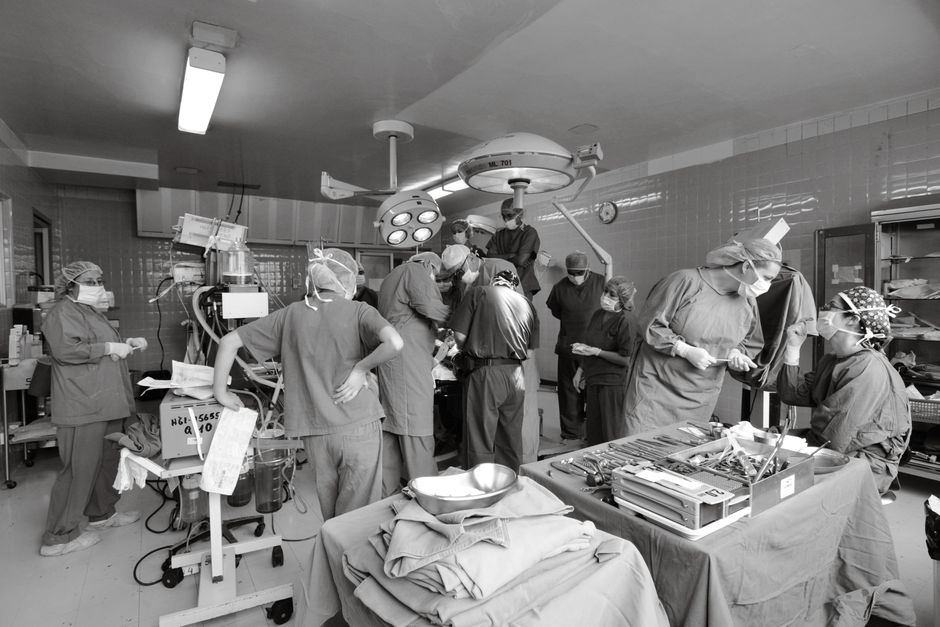 One of the appealing parts of this career is that it combines several different skills. You need strong listening ability, good grammar, careful attention to detail, and an interest in medical language. You do not have to be a doctor, but you do need to become comfortable with medical terminology, anatomy, common procedures, medications, and healthcare documentation standards. Accuracy matters because even small errors in a medical record can cause confusion.